
Behind the Fund of Funds Curtain: A New Path to Real Estate Investment Returns
How Independent Capital Aggregators Are Transforming Private Market Access—And Why It Matters for Your Portfolio


Executive Summary
The fund of funds concept has been around for decades, but until recently, it remained firmly in institutional territory—expensive to set up, complex to manage, and only worthwhile if you were raising $20 million or more.
That's changed.
A new generation of platforms has made fund of funds structures accessible to individual investors who want to do more than write a check. If you have a network of qualified investors who trust your judgment, you can now form your own fund, raise capital compliantly, invest alongside your network, and get compensated for the effort—all without becoming a full-time financial professional.
This guide pulls back the curtain on how fund of funds works in practice, who it's designed for, and what the economics actually look like. Whether you're considering becoming a fund manager yourself or simply want to understand this growing corner of the private investment market, you'll walk away with a clear picture of the opportunity.
What You'll Learn:
- How the modern fund of funds model differs from traditional institutional approaches
- The economics behind fund manager compensation (and why investors aren't disadvantaged)
- Who makes an ideal fund of funds manager—and it's probably not who you think
- AAA Storage's specific program structure and support system
- Step-by-step path from investor to capital aggregator
What Is a Fund of Funds—And What Has It Become?
The Traditional Model
Historically, fund of funds has been an institutional or family office investment vehicle. A sponsor would raise capital from investors and then deploy that capital across multiple different funds with various lead sponsors. The goal was hedge fund-style diversification: one fund investing in many funds, spreading risk across asset classes, geographies, and strategies. LPs in the fund of funds vehicle received the blended returns from all those underlying investments.
This approach required serious infrastructure. You needed your own attorney, banking partner, accounting team, and compliance oversight. Setup costs could easily hit $50,000 or more. Unless you were raising five million dollars minimum, the math simply didn't work.


The Modern Evolution
The fund of funds model we're talking about here is fundamentally different. It's not about investing in multiple funds—it's about aggregating capital to invest in a single opportunity.
Here's how it works:
An individual investor—let's call them a fund manager or independent capital aggregator—has a network of other qualified investors. Instead of just making their own investment and maybe referring a few friends, they form a single-purpose entity, raise capital from their network into that entity, and then invest the pooled capital as one LP in a lead sponsor's fund.
The fund manager gets compensated for their effort. Their investors get access to an opportunity they likely never would have found on their own. And the lead sponsor gets efficient access to capital they wouldn't have otherwise reached.
Everyone wins.
Who Makes an Ideal Fund of Funds Manager?

This is where most people's assumptions fall apart.
Fund of funds managers aren't financial professionals. They're not Wall Street types or career capital raisers. The most successful fund managers tend to be professionals who happen to have:
- Credibility within their community. People trust their judgment.
- Experience as an investor. They've invested in private deals before—maybe not dozens, but enough to understand the process and speak from experience.
- A network of qualified individuals. Friends, colleagues, fellow professionals who have the means to invest but lack access to quality opportunities.
Real-World Examples
Consider the group of three physicians who decided they enjoyed private market investing and had colleagues constantly asking how to get involved. They now raise capital across multiple deals each year, partnering with various lead sponsors. It's become a meaningful side business, but they're still practicing medicine.
Or take the optometrist who sold his practice and transitioned into this space. He now does three or four deals annually, building his own net worth while connecting his network to opportunities they'd never have discovered.
These aren't people who went to business school for fund management. They're smart, credible individuals who recognized they were already doing informal versions of this work—referring friends, answering questions about investments, explaining deal structures over dinner. The fund of funds model simply gives them a compliant framework and fair compensation for that effort.


What About Less Experienced Investors?
If you're earlier in your career or don't yet have an extensive network of high-net-worth individuals, fund of funds might not be the right move today. But it could be.
There are two paths into this space:
Path One: Investment Experience. You've been an active LP in several deals. Some have come full cycle. You can speak credibly about the experience of being an investor because you've lived it. Your network sees you as the person who's always investing in these opportunities, and they want to learn more.
Path Two: Sales and Marketing Skill. Some lead sponsors have found success with fund managers who come in primarily with distribution expertise—people who understand how to build and nurture a network, even if they're newer to real estate investing specifically.
Either path can work, but the first is more common for a reason: credibility matters enormously when you're asking people to trust you with their capital.
The Economics—What's In It for Everyone?
Let's address the obvious question: If the fund manager is getting compensated, doesn't that money have to come from somewhere? Are fund of funds investors getting a worse deal?
The short answer: No.The longer answer requires understanding how the economics are structured.


How the Compensation Works
When a fund manager writes a larger check—say, a million dollars aggregated from their network—the lead sponsor offers preferred terms on that larger commitment. Those preferred terms create the spread that allows the fund manager to be compensated.
Here's how AAA Storage's program structures it:
Management Fee Discount: The standard management fee is 2%. For fund of funds vehicles meeting the minimum threshold, that's discounted to 1.5%. The fund manager can then charge a 0.5% management fee at their level, and their investors still pay a total of 2%—no more than a direct investor would.
Carried Interest Adjustment: In the standard fund structure, after all capital and preferred returns are paid to investors, remaining profits are split 70% to investors and 30% to the sponsor. For fund of funds vehicles, AAA adjusts that to 77.5% going to the fund of funds entity and 22.5% to AAA. That additional 7.5% creates the fund manager's backend compensation.
The result? Fund of funds investors receive returns at complete parity with direct investors. Same distributions, same K-1s, same communication. The fund manager's compensation comes from what would otherwise flow to the lead sponsor—not from the investors' returns.
The Numbers in Practice
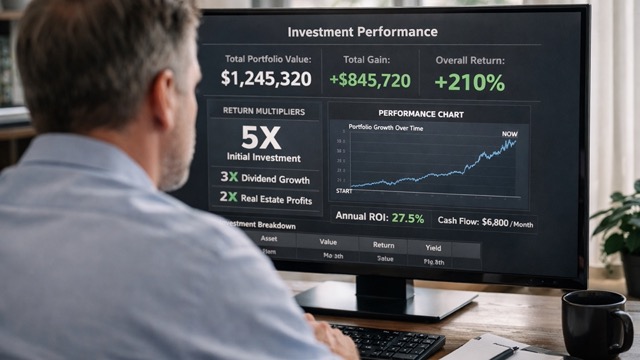
For a fund manager who invests $100,000 of their own capital and raises a total of $1 million through their fund of funds vehicle, the expected total compensation over the life of the fund is approximately $126,000.
That transforms the fund manager's personal economics dramatically. If the fund delivers a 2.25x equity multiple to direct investors (approximately 23% IRR), the fund manager—when you add their compensation—sees their effective return climb to approximately 3.5x their personal investment and a 42% IRR.
And it scales. A fund manager raising $4-5 million could see total compensation in the $500,000-600,000 range over the fund's life. That's meaningful wealth building layered on top of already attractive fund returns.
Section 4: What Fund Managers Actually Do (And Don't Do)

One of the biggest misconceptions about becoming a fund of funds manager is that it requires becoming a financial professional or taking on a part-time job's worth of work.The reality is different.
What Fund Managers Focus On
Finding and evaluating opportunities. Good fund managers do their due diligence on lead sponsors before bringing anything to their network. They understand the deal, the sponsor's track record, and the risk profile. Their credibility depends on making smart choices.
Nurturing relationships. The core work is connecting with people in their network—having conversations, introducing opportunities, facilitating calls with the lead sponsor, and answering questions as they arise.
Getting soft commitments. The fund manager's job is to have enough conversations that interested parties indicate they want to invest. From there, the infrastructure takes over.


What Platforms and Partners Handle
Everything else.
A platform like TribeVest creates the fund entity, opens the business bank account, drafts the offering documents, handles investor communications around funding, manages the cap table, processes distributions, and prepares K-1s for each investor at year-end.
The lead sponsor provides all the property-level reporting, investor updates, and operational communication. The fund manager simply passes it through to their investors.
From a time perspective, the most intensive period is the initial capital raise—typically an eight-week window. After that, the fund manager's ongoing involvement is minimal: reviewing quarterly reports, forwarding communications, and being available if their investors have questions. For most fund managers, that's people they're seeing regularly anyway.
The AAA Storage Fund of Funds Program
AAA Storage has structured a comprehensive program to support fund managers at every stage—from initial education through successful capital deployment.


Program Structure
Cohort-Based Launch: Fund managers join in groups, moving through an eight-week structured process together. This creates peer support and allows for efficient training and Q&A sessions.
Weekly Check-Ins: Throughout the eight weeks, fund managers participate in brief weekly calls where they can ask questions, troubleshoot challenges, and share what's working.
Branded Marketing Materials: Fund managers receive customizable marketing collateral branded to their fund. When they share materials with their network, it feels cohesive and professional.
Live Support: AAA is available for investor calls and will conduct webinars specifically for a fund manager's potential investors. This isn't a hands-off arrangement—the lead sponsor actively supports the capital raise.
Simultaneous Back Office Setup: While the fund manager is building momentum with their network, TribeVest is working in parallel to draft offering documents, form the LLC, and prepare everything needed for compliant capital aggregation.
Minimum Investment
The minimum for a fund of funds vehicle in AAA's program is $1 million in total capital raised. That can come from as few or as many investors as the fund manager chooses, and the fund manager's own investment counts toward the total.


Compliance and Structure
All fund of funds vehicles are structured as LLCs with their own operating agreements and offering memoranda. The structure provides a compliant framework that protects both the fund manager and their investors.
For liability protection, fund managers typically form their own LLC to serve as the managing member of the fund of funds vehicle. This is a straightforward step, but it's an important one.
Is This Right for You?

Not everyone should become a fund of funds manager. Not everyone wants to. Here's a framework for thinking through whether this opportunity fits your situation.
Strong Fit Indicators
- You've invested in private real estate deals before and understand the process
- People in your network regularly ask how you find investment opportunities
- You have relationships with qualified, high-net-worth individuals who trust your judgment
- You're planning to invest in the opportunity yourself anyway
- You can commit to an eight-week capital raise timeline alongside your other responsibilities
- You see value in meaningful compensation for work you'd be doing informally regardless


Weaker Fit Indicators
- You've never invested in a private placement before
- Your network consists primarily of people who wouldn't meet accredited investor qualifications
- You're uncomfortable having financial conversations with friends and colleagues
- You don't have time for any additional commitments over the next several months
- You're looking for truly passive involvement with zero ongoing responsibility
The Middle Ground
Many successful fund managers started exactly where you might be right now—interested but uncertain. They made one investment, found they had a few friends who were also interested, and realized they could formalize what they were already doing informally.
You don't have to commit to making fund management a career. You don't have to do multiple deals per year. You can choose to participate when you see an opportunity that excites you and you have bandwidth to pursue it. Some fund managers do one deal every few years. Others have built it into a significant side business.
The flexibility is part of what makes this model work.

Additional Resources
Upcoming Webinar: Join us for a deeper dive into the Fund of Funds program, including live Q&A. Check the Events tab at AAAstorageinvestments.com for the next scheduled session.
Podcast Episodes: Search "AAA Storage Podcast" for extended conversations about fund of funds and other investment topics.
Conclusion: A Win-Win Structure
The fund of funds model represents something relatively rare in investing: a structure where everyone's interests genuinely align.
Lead sponsors like AAA get efficient access to capital and relationships they wouldn't have reached otherwise. Fund managers get compensated for connecting their trusted network to quality opportunities. And investors get access to institutional-grade investments they likely never would have discovered—at the same terms as direct investors.
For the right individual—someone with credibility, experience, and a network of qualified investors—this represents a meaningful opportunity to build wealth while creating value for the people around them.
The biggest growth opportunity in private equity right now is the hundreds of thousands of high-net-worth individuals who haven't yet been exposed to private market investing. Fund of funds is one of the most effective mechanisms for bridging that gap—connecting capital with opportunity through trusted relationships.
If that sounds like work you're already doing informally, it might be time to make it official.
Investing with us is easy.
When you choose to invest with AAA Storage, you’re selecting a seasoned partner with a clear, transparent process. Here’s what you can expect:

Initial Consultation and Documentation
Upon expressing interest, you’ll receive our offering memorandum, a comprehensive document detailing the investment’s framework. We're always available for a call to answer any questions you have or provide additional information. Once you're ready to move forward, we'll send you an invitation to access our secure online subscription portal, where you’ll find all necessary documentation to become an investor.

Investor Portal Access
When your subscription is completed and you are admitted to the fund, you will be provided with access to your secure investor portal—a hub for all your investment-related information. Here, you’ll receive quarterly updates, property status reports, and annual K-1 forms reflecting your share of income and loss.

Comprehensive Reporting and Continued Engagement
We provide quarterly updates on the funds activities and progress as well as quarterly financial statements and an annual audit by a reputable firm. We go beyond mere numbers, offering personal calls for any questions. Our investors’ understanding and satisfaction is crucial.
Explore our investment funds.
Discover diverse opportunities for growth and stability.


Growth Fund 1
Growth Fund 1
Growth Fund 1

Growth Fund 2
Growth Fund 2
Growth Fund 2
About AAA Storage Investments
Founded by John Muhich in 1993, AAA Storage has completed 90+ successful real estate developments with $450+ million in total exit value. Under the leadership of Paul Bennett, AAA Storage Investments now offers accredited investors access to institutional-quality self-storage and office/industrial flex developments through our Growth Fund platform.
Our approach combines decades of operational experience with conservative underwriting, complete vertical integration, and full alignment of interests with our investor partners.
Legal Disclaimer
No Offer. This document, together with the verbal or written comments of any person presenting it (collectively, the “Materials”) are for informational purposes only and do not constitute an offer to sell or a solicitation of an offer to buy any security in any jurisdiction and may not be relied upon in connection with the purchase or sale of any security. The Materials are intended only to summarize selected points about AAA Storage for discussion purposes and are not to be used for any other purpose. The information herein is subject to change and AAA Storage does not undertake to notify you of any changes. An offer to sell interests in the fund will be made only through delivery of the confidential private placement memorandum of the fund and all information contained herein is qualified entirely by the information contained in such memorandum.
Past Performance. In all cases where historical performance is presented, please note that past performance is not a reliable indicator of future results and should not be relied upon as the basis for making an investment decision. It cannot be guaranteed that the fund will achieve the same or similar result.
Not Legal, Tax or Investment Advice. This document, and the information it contains, is intended for educational purposes only. AAA Storage does not provide legal, tax or investment advice and the recipient of this information should consult with their professional advisors before making investment decisions.
FAQs
Find answers to your questions quickly and easily.
AAA is committed to maintaining transparency and keeping our investors informed. You’ll receive regular quarterly updates on property performance, market trends, and investment returns. Our dedicated team is always available to address any questions or concerns, ensuring you remain confident and informed throughout your investment journey.
Getting started is simple. Reach out to us through our website or contact our team directly to schedule a consultation. We’ll guide you through our investment opportunities, answer any questions, and help you determine how self-storage investing fits into your wealth management strategy. We pride ourselves on making the process transparent and investor-friendly.
Self-storage complements a diversified investment portfolio by offering unique benefits such as resilience, consistent demand, and cost-effective operations. It provides stability through economic cycles and augments portfolio balance by introducing an asset with counter-cyclical tendencies—critical for mitigating broader financial market risks. Its high yield potential and efficiency of operation make self-storage an appealing choice for investors seeking predictable cash flows and potential equity growth. As part of a comprehensive asset allocation strategy, self-storage can enhance returns, reduce volatility, and contribute to overall portfolio strength by combining consistent performance with opportunities for value creation through strategic development or acquisition.
Self-storage benefits from an efficient operational model characterized by low costs relative to other real estate sectors. Its primary expenses—property taxes and insurance—constitute the bulk of operational outlays, typically comprising 30-34% of gross revenue. Limited staffing requirements and minimal maintenance for drive-up facilities further streamline expenditures. Additionally, the simplicity of facility design—often involving fewer physical assets compared to multifamily or office properties—substantially curtails costs. Collectively, these elements yield a business model with efficient cash management, enabling self-storage operators to deliver higher net operating incomes and favorable returns on investment compared to more complex real estate endeavors.
Self-storage demonstrates robust resilience during varied economic climates, frequently outperforming other real estate classes like office or retail sectors. This is due in part to its consumer-driven demand, largely unaffected by economic downturns or lifestyle changes such as moving or downsizing. Its low cost for consumers and consistently high demand supports occupancy rates and pricing stability. During recessions, these factors combine to bolster self-storage operations, sustaining cash flows and preserving asset values. This resilience has increased self-storage’s appeal among institutional investors and private equity, further distinguishing it as a valuable investment vehicle in times of economic volatility.
Investors seeking stable income may prefer dividend distributions for their regular cash flow, aligning with predictable financial planning. This focus often appeals to individuals requiring liquidity for living expenses or other commitments. However, a growth-focused approach, like self-storage development, targets significant equity growth over time. This strategy maximizes long-term value rather than short-term cash payouts, appealing to investors with capacity to delay gratification for potentially greater capital appreciation. The choice between income and growth depends on individual financial goals, timelines, and risk tolerance—some investors appreciate immediate returns, while others prioritize substantial long-term gains, making both options valuable in diverse investment strategies.
Developing new self-storage facilities carries inherent risks, such as land acquisition and entitlement processes. Yet, it offers considerable rewards, primarily due to favorable yield on cost metrics. These projects often generate yields around 9.5%, compared to lower yields in other real estate sectors. By mitigating land risk through techniques like land banking, developers can better ensure project readiness and optimize construction timelines. Although development entails greater risk than purchasing stabilized assets, the potential for enhanced risk-adjusted returns makes it a compelling strategy for investors focused on capital growth. Successful developments yield substantial returns, thus providing a strong argument for including such projects in a diversified investment portfolio.
Self-storage development offers a unique opportunity for significant equity growth by leveraging cost efficiencies in construction and high yield on cost. For example, building a facility for $10 million with a pro forma NOI of $950,000 results in a 9.5% yield on cost. Upon stabilization, if these outputs yield a 6% cap rate, the property’s value escalates to $16.5 million. Investors, having contributed 30% equity in a leveraged structure, could potentially see their $3 million initial investment return as $9 million post-sale. This process of development and stabilization creates intrinsic value and underscores the potential for outsized returns relative to other real estate investments.
Investors can engage in several strategies within self-storage, including core, core plus, value-add, and ground-up development investments. Core and core plus investments involve stabilized, cash-flowing properties requiring minimal capital expenditure. Value-add opportunities include acquiring underperforming properties with potential for enhancements or expansion. Ground-up development focuses on constructing new facilities to generate significant equity growth. Though riskier, development offers higher potential returns by capitalizing on construction cost efficiencies and subsequent property valuation. Investors inclined towards growth may prefer development projects, while those seeking immediate cash flow might favor core investments. Each strategy addresses different investor goals, allowing for tailored asset management strategies in self-storage.
Vertical integration in self-storage development ensures control over the entire development process—from land acquisition to construction and property management. This approach enables more cost-effective building practices, particularly in drive-up self-storage facilities focused development areas like Texas, where construction costs can be maintained around $105 per square foot. By managing both the vertical and horizontal construction processes, and retaining ownership of property management, developers can optimize efficiency and drive higher returns. Additionally, vertically integrated firms are adept at lease-up strategies, crucial for achieving and maintaining rent targets. This comprehensive control positions vertically integrated companies to deliver substantial value creation for investors, which stands in contrast to competitors reliant on third-party services.
In the self-storage industry, cap rates often track closely with those of multifamily properties, generally adding about 50 to 75 basis points. Institutional interest, such as that from publicly traded REITs, has helped to shape the cap rate landscape, maintaining a low cap rate environment due to high demand. Self-storage facilities often have a lower cost per square foot than multifamily properties, while their yield on cost—the cash on cash return when stabilized versus cost of construction—is notably higher. This cost efficiency contributes to its appeal, drawing private equity investment interested in maximizing returns. The differentiation in yield on cost between self-storage and other real estate sectors further underscores self-storage’s standing as a profitable, competitive investment.
Self-storage stands out due to its resilience, particularly during economic downturns. Unlike other real estate sectors like office or retail, self-storage maintains steady demand driven by life transitions and urbanization. It offers an efficient economic model with low operating costs, typically around 30–34 percent of gross revenue. Investors benefit from above-average cash flows and cash on cash returns. The simplicity of its operations—focusing on real estate property taxes and insurance as the major expenses—makes self-storage a reliable investment. Furthermore, self-storage facilities can be built at a considerably lower cost per square foot compared to other real estate developments, yet can still command competitive returns. This combination of resilience, simplicity, and profitability makes self-storage an appealing asset class.
Start your investment journey today.
Let’s start a conversation about how our investment funds can provide diversification and improved performance for your investment portfolio.
